

Designing without ego: a checklist for designers who want their work to actually survive
Good design thinking isn't about having the best idea. It's about solving the right problem - then making the solution as beautiful as it can be within that reality.
Here's where ego quietly kills good design, and where to let it go.
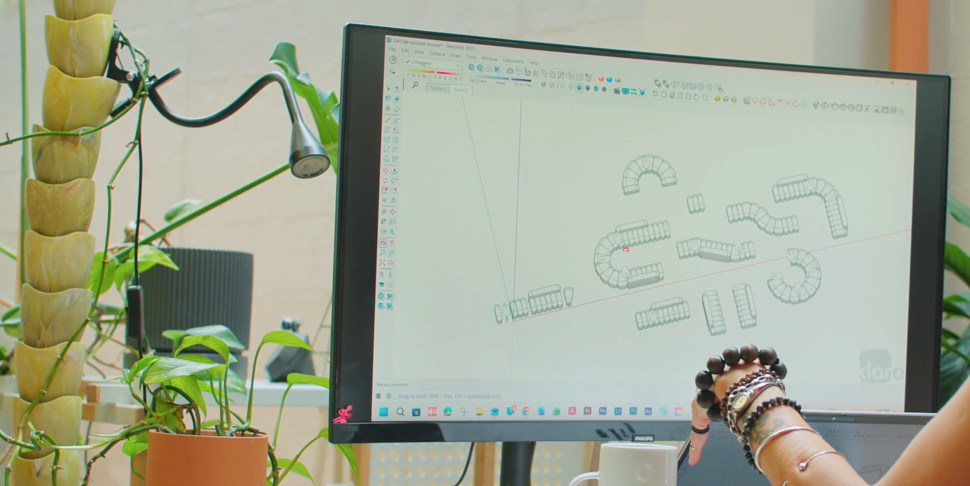
Start with the problem, not the aesthetic
Design thinking dissects the real problem first - visual language comes later
Ask: what is this object, space or system actually trying to resolve?
Resist reaching for a look before you fully understand the need
The strongest design idea is the one that answers the brief - not the one that excites you most
Test the idea against its commercial reality early
Every solution exists inside a system - a market, a budget, a procurement process
Commercial viability isn't a constraint added at the end - it's a filter applied at the start
If you skip this step, the idea - no matter how refined - becomes an ego exercise
The market doesn't care how personally attached you are to it
Let go of aesthetics when resolving materials
When selecting materials, remove aesthetics from the equation entirely - at first
Find the most optimised, material-conserving solution before anything else
Only once that is resolved, reintroduce aesthetic consideration into the selection
This requires discipline - it is harder than it sounds, and it separates good specifiers from great ones
Survive the manufacturing reality
Every elevated detail and refined feature will face a manufacturing feasibility review
Some details will be stripped. Others reshaped. That is not failure - that is design maturity
The work that survives this stage is always stronger for it
Remember: this process applies to everything
Object, space or system - the same rules govern all three
The brief changes. The discipline does not.
Ego is always the variable that slows things down - and the first thing a good designer learns to edit out